
From ADIFF's beginnings in 1993 to Anitta's words at the 2026 Latin Grammys and Pope Leo XIV's remarks in Peru, the struggle for recognition continues.
When we launched the festival in 1993 under the name Contemporary Films of the African Diaspora, we were asked many questions about its name. One of the highlights of that first festival was Sankofa, our Opening Night film.
At the time, many people were unfamiliar with the word diaspora. The image of a tree with many branches, applied to the human experience, was simply not widely understood.
The history of the Americas has been marked by the enslavement of African women, men, and children, whose forced, unpaid labor helped build the economies of the continent.
Today, Latin America is home to an estimated 144 million people of African descent. Yet the recognition and inclusion of their presence and contributions remain ongoing challenges.
On November 12, 2026, Brazilian superstar Anitta addressed this very issue in her acceptance speech at the Latin Grammy Awards. Speaking about the historical erasure of Black culture in Brazil and the persecution of African-derived religions, she declared: "For many years, Black culture was erased in Brazil."
Two days later, Pope Leo XIV visited Zaña, Peru, where he acknowledged the suffering of enslaved Africans and the discrimination faced by their descendants. His remarks added another prominent voice to the growing recognition of this long-neglected history.
These statements, coming from very different public figures, echo concerns that have been central to ADIFF since its founding: the recognition of African history, culture and contributions throughout Latin America.
ADIFF NY 2026 continues this tradition. Here is this year's selection:
New York Premieres
Melodrama — Dominican Republic
The Dominican Republic's submission to the Oscars tells a story of forbidden love across racial and social boundaries. Renowned Haitian actor Jimmy Jean-Louis plays one of the leading roles.
Marie-Madeleine — Haiti
Directed by acclaimed Haitian filmmaker Gessica Généus (Freda), Marie-Madeleineexplores family, religion, intolerance, and love. Selected for the 2026 Cannes Film Festival (Cannes Première) and the Toronto International Film Festival (Centrepiece), the film also won the Gold Hugo at the Chicago International Film Festival. It will have its New York premiere at ADIFF-NY, co-presented with Haiti Cultural Exchange.
Pocha's Dream and Negro Che — Argentina
These two films urgently explore the experiences of people of African descent in Argentina. They tell the painful stories of communities whose presence and history have been neglected to the point of erasure. The filmmakers give a voice to those too often left out of Argentina's national narrative.
Stories and Realities of Black Brazilian Life in Cinema
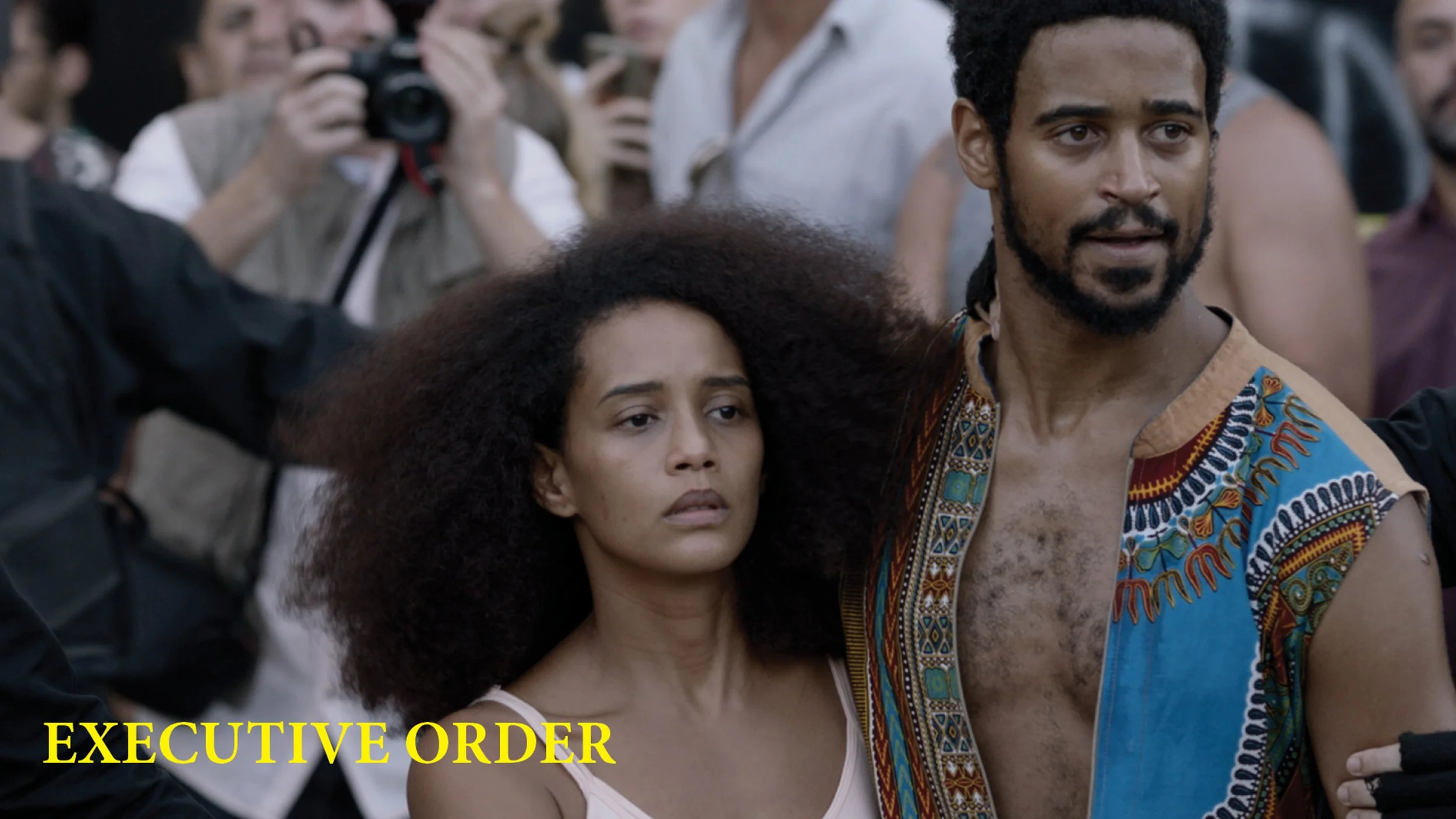
Brazil has a prominent place in this year's festival. From political satire to intimate documentaries, the selection explores different layers of Black Brazilian life and the ongoing struggle against racial inequality.
Discover these films in our article, Black Brazil: Cinema as Resistance, which highlights stories confronting historical injustices, challenging established narratives, and bringing Black Brazilian experiences to the screen.
Literacy and Revolution
Reading the World — Brazil and Maestra — Cuba
Presented as part of ADIFF's Literacy and Revolution program, these documentaries explore the historic campaigns to combat adult illiteracy in Brazil and Cuba and the role of education in social transformation.
Filmmaker Catherine Murphy will attend the screening for a Q&A.
More Stories from Latin America and the Caribbean
Mistura — Peru
A Peruvian aristocrat must reinvent her life after her husband abandons her for a younger woman. A story of food, class, and multiracial love. Part of the Cuisine, Culture & Cinema program.
Goodbye Momo (A Dios Momo) — Uruguay
A poet inspires a young Black Uruguayan boy to return to school and discover the joy of reading. Part of the School Program.
The Last Meal — Haiti
In the final days of his life, a man reconnects with his estranged daughter through memories of the food his wife used to prepare. Part of the Cuisine, Culture & Cinema program.
Sugar Island — Dominican Republic
Makayla faces an unwanted pregnancy in a story exploring labor abuse, racial discrimination, and immigration in the Dominican Republic. Part of the Virtual Festival.
Classics
Abolição / Abolition — Brazil
In 1988, Brazil celebrated the centennial of the abolition of slavery. Filmmaker Zózimo Bulbul examined what this anniversary really meant for the country's descendants of enslaved Africans. Part of the Virtual Festival.
Maluala — Cuba
Throughout Latin America, Africans escaping enslavement established independent communities known as maroon settlements, where they recreated their lives in freedom. These communities represented resistance to one of the most heinous crimes against humanity and became important centers in the struggle for justice. Part of the Justice and Democracy program.
More than three decades after ADIFF began, the struggle for recognition of the African presence in Latin America continues. These films reveal histories, experiences, and perspectives that deserve a place on American screens.
Discover these films at the 34th African Diaspora International Film Festival, November 27–December 13, 2026.